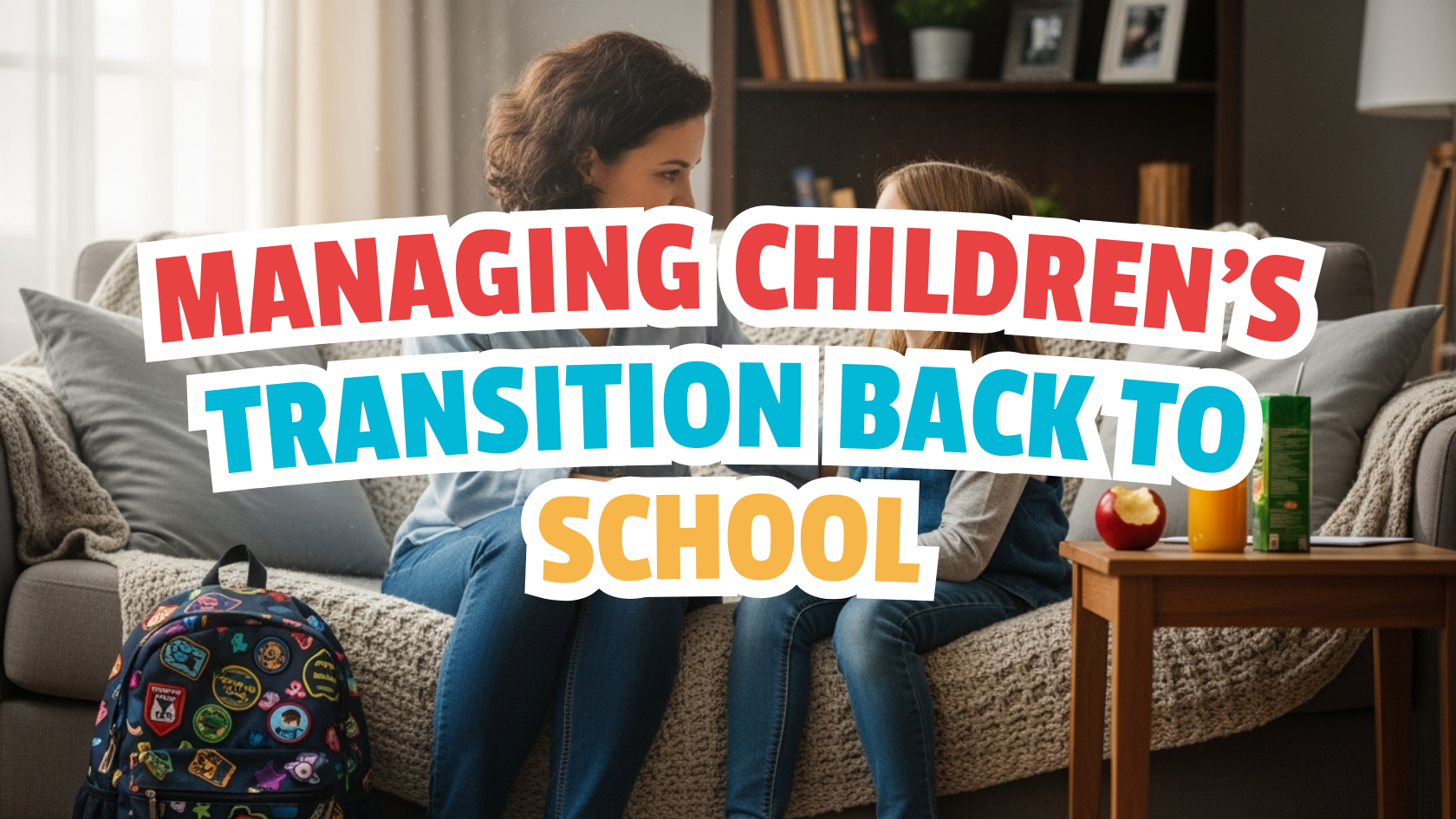
As the summer sun begins to set, families everywhere start to gear up for the new school year. The transition from the carefree days of summer to the structured environment of school can be a challenging time for both parents and children. We wanted to share expert tips from two perspectives; a leading children’s activity expert (Chris Sharman) and a children’s activity professional (James Robertshaw).
Smooth Sailing: Managing Transition Back to School
First up in this blog post, here are some expert tips from Chris Sharman, Founder of Kidztivity and a leading children’s activity expert, to help make this transition as smooth as possible.

Open the Lines of Communication
One of the most effective ways to prepare your child for returning to school is by establishing open communication. Chris emphasises the importance of early conversations about the upcoming school year. “Discuss what they can expect and any concerns they may have,” Chris advises. By encouraging your child to share their feelings, you can address their anxieties before they become overwhelming on the first day back.
Reintroduce Routines Gradually
Children thrive on routine, and the abrupt shift from holiday freedom to school structure can be jarring. To ease this transition, Chris suggests re-establishing routines a few weeks before school starts. “Begin by setting regular bedtime and wake-up times, and incorporate quiet time for reading or educational activities,” Chris recommends. This gradual adjustment helps children acclimate to the school schedule, making the first day back less daunting.

Ease into Learning
After a long summer break, children may not be ready to dive straight into academic work. Chris suggests easing them back into learning with fun, educational activities that stimulate their minds. “Incorporate puzzles, educational games, or family reading time to help them transition back into learning mode without the pressure of formal schoolwork,” Chris suggests.
Reflect and Adjust
Once the school year begins, it’s important to monitor how your child is adjusting. Chris advises parents to pay attention to their child’s behaviour and emotional responses. “If you notice signs of stress or difficulty, address them early. Be flexible and ready to adjust routines or provide additional support as needed,” Chris emphasises. Every child adjusts differently, so patience and responsiveness are key.
By following these expert tips, parents can help their children navigate the transition back to school with confidence and ease. Remember, the goal is to create a supportive environment where children feel prepared and excited for the new school year.
Supporting Children’s Transition Back to School: A Guide for Activity Professional
As the new school year approaches, children’s activity professionals play a pivotal role in supporting both children and parents through this transitional period. Whether you’re running after-school clubs or organising extracurricular activities, here are some insights from James Robertshaw, Product and Training Manager for Kidztivity, on how to effectively support children as they return to school.
Understand the Transition Challenges
Children’s activity professionals are in a unique position to observe and address the challenges children face when transitioning back to school. James highlights the importance of recognising the emotional and behavioural shifts that may occur. “Children may experience anxiety or stress as they adjust to new routines,” James notes. Being aware of these challenges allows professionals to create a supportive and understanding environment.

Create an Open Communication Environment
Encouraging open communication with children and their parents is crucial. James advises professionals to engage in conversations with both parties to understand any concerns or expectations they may have. “By maintaining an open dialogue, you can tailor your activities to better meet the needs of the children and provide reassurance to parents,” James suggests.
Gradually Reintroduce Structure
After a summer of freedom, children may struggle with the return to structured activities. James recommends gradually reintroducing routines within your programs. “Start with flexible, fun activities that ease children back into a more structured environment,” James advises. This approach helps children acclimate without feeling overwhelmed.

Incorporate Engaging Activities
To keep children motivated and engaged, James suggests incorporating a variety of activities that stimulate both their minds and bodies. “Include games, creative projects, and physical activities that are both educational and enjoyable,” James recommends. This not only helps children transition back to learning but also makes your programmes more appealing.
Provide Support and Flexibility
Every child adjusts differently, and it’s important to be patient and adaptable. James emphasises the need for flexibility in your approach. “Be ready to adjust your activities and provide additional support to children who may be struggling,” James advises. By being responsive to the needs of each child, you can foster a positive and supportive environment.
As children’s activity professionals, you have the opportunity to play a vital role in helping children navigate their return to school. By understanding their challenges and offering tailored support, you can create an enriching experience that benefits both children and parents.