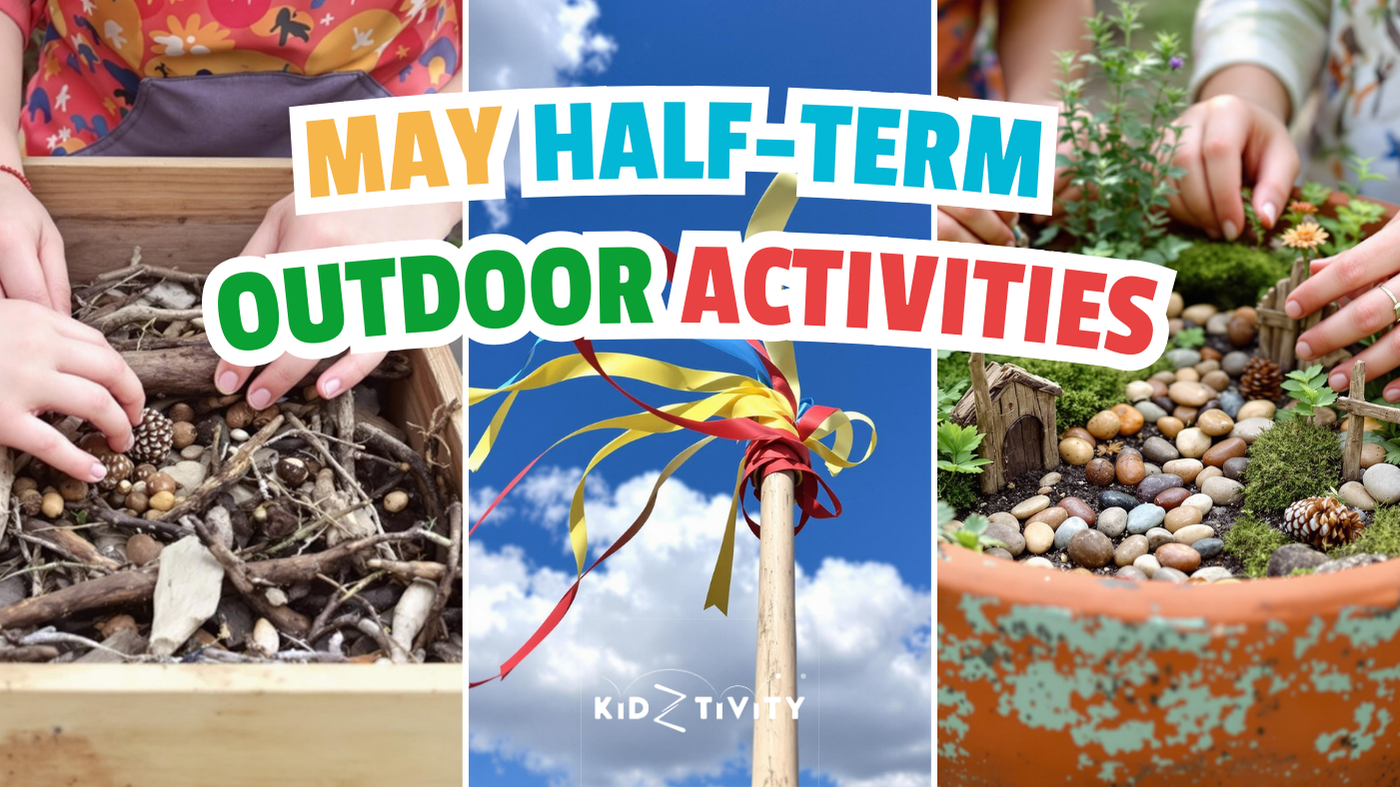
As May half term approaches, there’s no better time to embrace the great outdoors and create unforgettable adventures with children. We’ve crafted six exciting outdoor activity stations that combine exploration, creativity, and natural discovery. From creating whimsical fairy gardens to building homes for local wildlife, these activities are designed to spark curiosity and encourage hands-on learning in nature.
Whether you’re rubbing bark textures, tracking weather patterns, or gazing at the stars, these activities offer a perfect blend of science, art, and outdoor play. The best part? Most materials can be found right in your garden or local park, making these activities both eco-friendly and budget-conscious.

Bark/Leaf Rubbing
Materials needed:
- Plain paper
- Wax crayons (with papers removed)
- Various leaves and trees with interesting bark
- Clipboards or hard surfaces
Instructions:
- Find interesting leaves or tree bark textures
- Place paper over the leaf or bark
- Gently rub the side of the crayon over the paper
- Watch as patterns and textures appear!

Fairy Garden
Materials needed:
- Small plant pots or containers
- Soil
- Small plants or seeds
- Natural decorations (pebbles, twigs, leaves)
- Miniature decorations (optional)
- Small watering can
- Garden tools
Instructions:
- Choose your container and add drainage holes if needed
- Fill with soil, leaving room for decorations
- Add small plants or sow seeds
- Create paths using pebbles
- Add natural decorations like twigs for fences
- Create miniature features (fairy houses from bark, leaf umbrellas, twig bridges)
- Water gently

Twig Frame Making
Materials needed:
- Straight twigs of various lengths
- String or twine
- Scissors
- Natural decorations (leaves, flowers, feathers)
- Optional: glue gun (adult supervision required)
Instructions:
- Collect straight twigs to form a square/rectangle
- Tie the corners together with string
- Add smaller twigs for support
- Decorate with natural materials
- Add string for hanging
Weather Watching Station
Materials List:
DIY Rain Gauge:
- Clear plastic bottle
- Ruler
- Permanent marker
- Scissors
Wind Direction Tools:
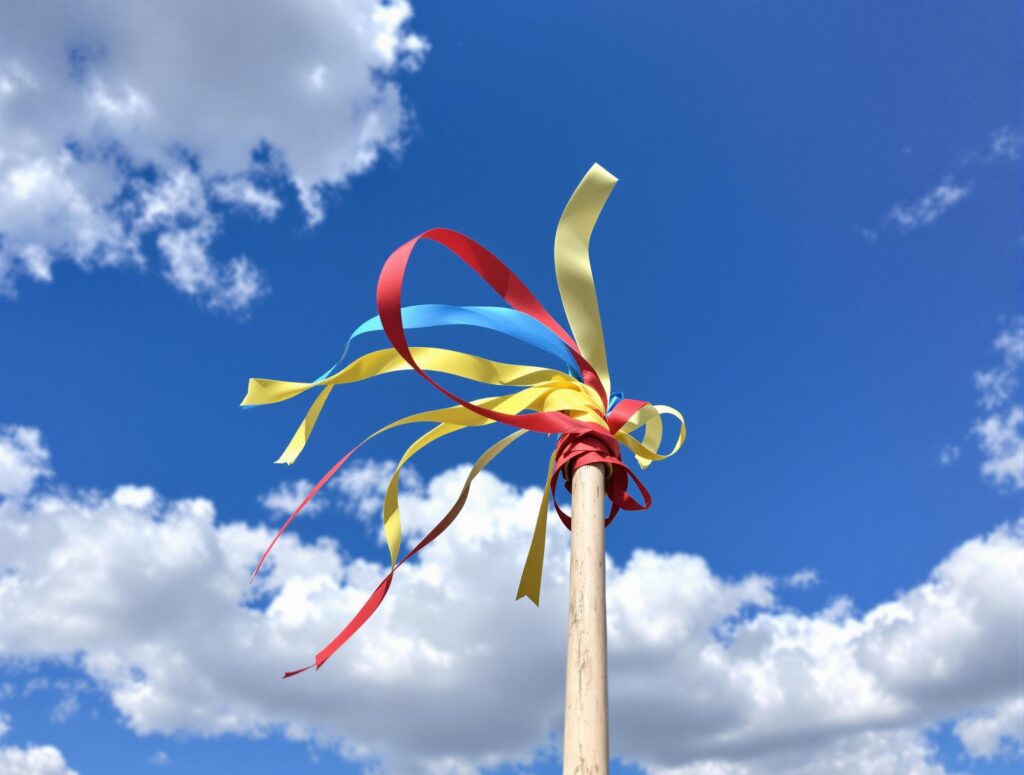
- Ribbon strips
- Garden stick/pole
- Compass
Cloud Observation:
- Cloud identification charts
- Drawing materials
- Camera (optional)
Temperature Recording:
- Outdoor thermometer
- Recording sheets
- Clipboards
Weather Journal:
- Notebook
- Colored pencils
- Weather symbols chart
Step-by-Step Setup:
- Rain Gauge Station (15 mins):
- Cut top off plastic bottle
- Mark measurements on side
- Secure in ground
- Create recording chart
- Wind Station (10 mins):
- Attach ribbons to pole
- Mark compass directions
- Create wind strength scale
- Set up observation point
- Cloud Observation Area (10 mins):
- Set up comfortable seating
- Display cloud types chart
- Prepare observation sheets
- Create cloud matching game
- Temperature Recording (10 mins):
- Mount thermometer safely
- Create temperature log
- Set up recording station
- Make prediction charts

Insect Hotel
Materials needed:
- Large wooden frame or box
- Natural materials:
- Hollow stems
- Pine cones
- Bark pieces
- Dry leaves
- Small twigs
- Straw/hay
- Wood with drilled holes
- String/twine
- Garden scissors
Step-by-Step Instructions:
Material Collection (15 mins):
- Gather different natural materials
- Sort by size and type
- Check materials are dry
Hotel Construction (20 mins):
- Create sections in frame
- Layer different materials
- Ensure tight packing
- Make various sized holes
Stargazing
Materials needed:
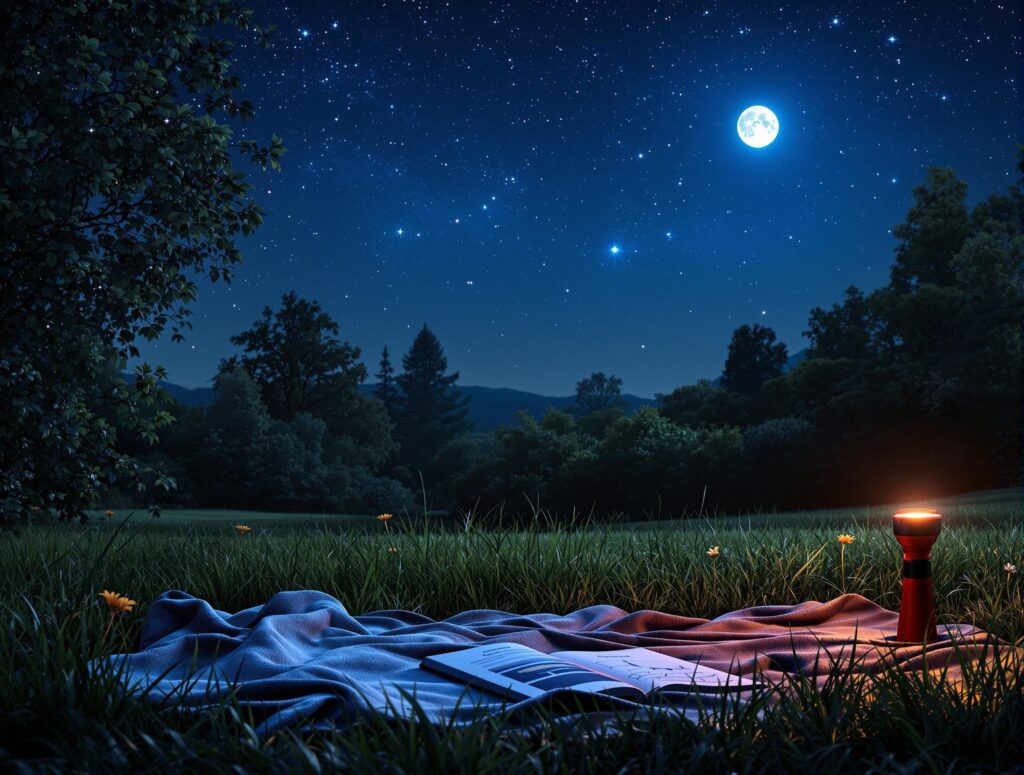
- Blankets/camping mats
- Star charts/maps
- Red flashlights (preserves night vision)
- Compass
- Constellation guides
- Optional: telescope/binoculars
- Hot chocolate/snacks
- Recording sheets
Step-by-Step Setup:
- Location Selection:
- Find a dark area away from lights
- Clear view of sky
- Safe, flat ground
- Easy access point
- Activity Structure:
- Basic constellation identification
- Star stories/mythology
- Planet spotting
- Moon observation
As children immerse themselves in these outdoor adventures, they’ll develop observation skills, creative thinking, and an appreciation for the environment. So grab your supplies, head outside, and let the half-term exploration begin! Don’t forget to document your creations and discoveries – you might be surprised by what you learn along the way.