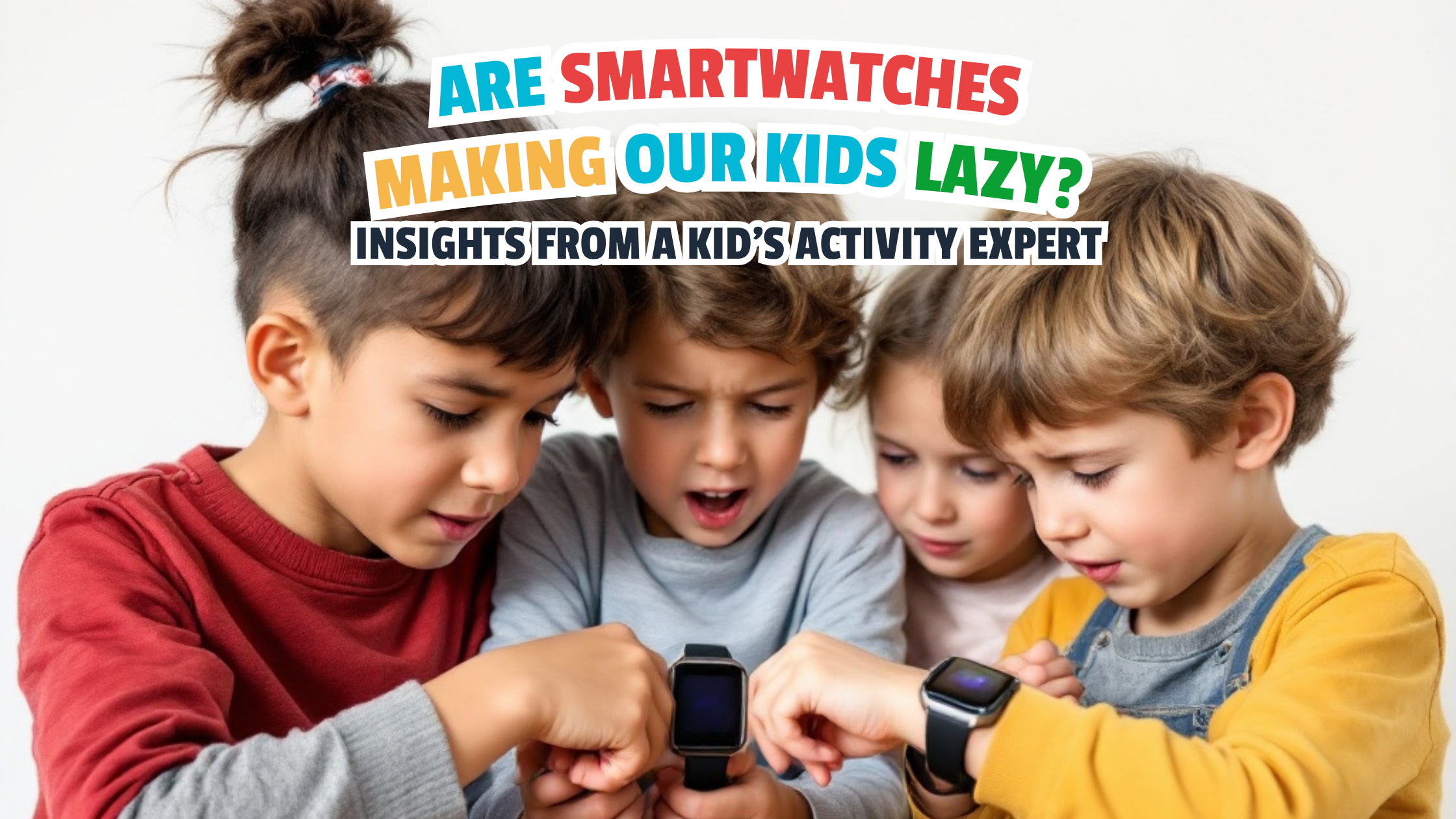
In today’s tech-driven world, smartwatches are revolutionising the way we engage with physical activity, offering children exciting new ways to stay active. However, Chris Sharman, Founder of Kidztivity and a seasoned expert in the leisure industry, warns that parents need to guide their use wisely to maintain a healthy balance.
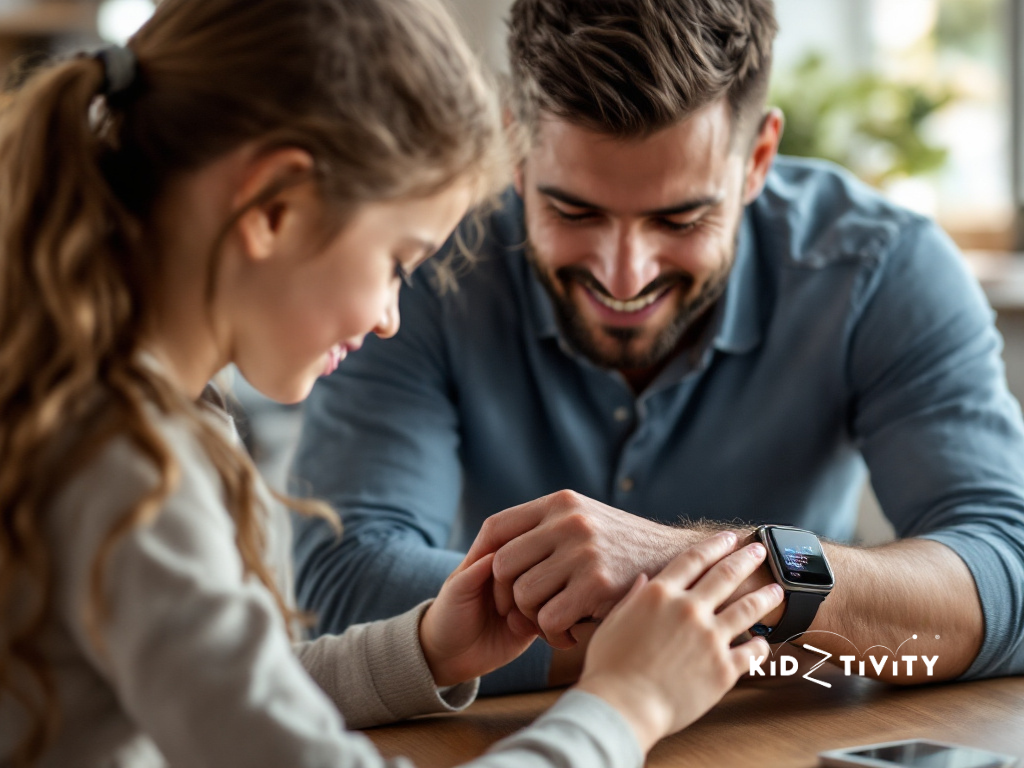
“Smartwatches can definitely motivate kids by gamifying exercise,” Chris acknowledges. “But if the focus shifts too heavily onto numbers, it can become a problem.”
Chris has observed children becoming engrossed in tracking their steps or beating personal records, which can be beneficial. Yet, there’s a risk that physical activity might turn into just another task to complete, rather than a source of joy.
“For some kids, hitting targets can boost confidence,” Chris explains. “But there’s also the potential for anxiety if they fall short, especially when comparing with friends. It can lead to feelings of inadequacy, even if they’re doing well.”
The solution, according to Chris, is ensuring that technology enhances rather than replaces the enjoyment of physical activity. Smartwatches should be used as tools to support, not dictate, how children engage with exercise.
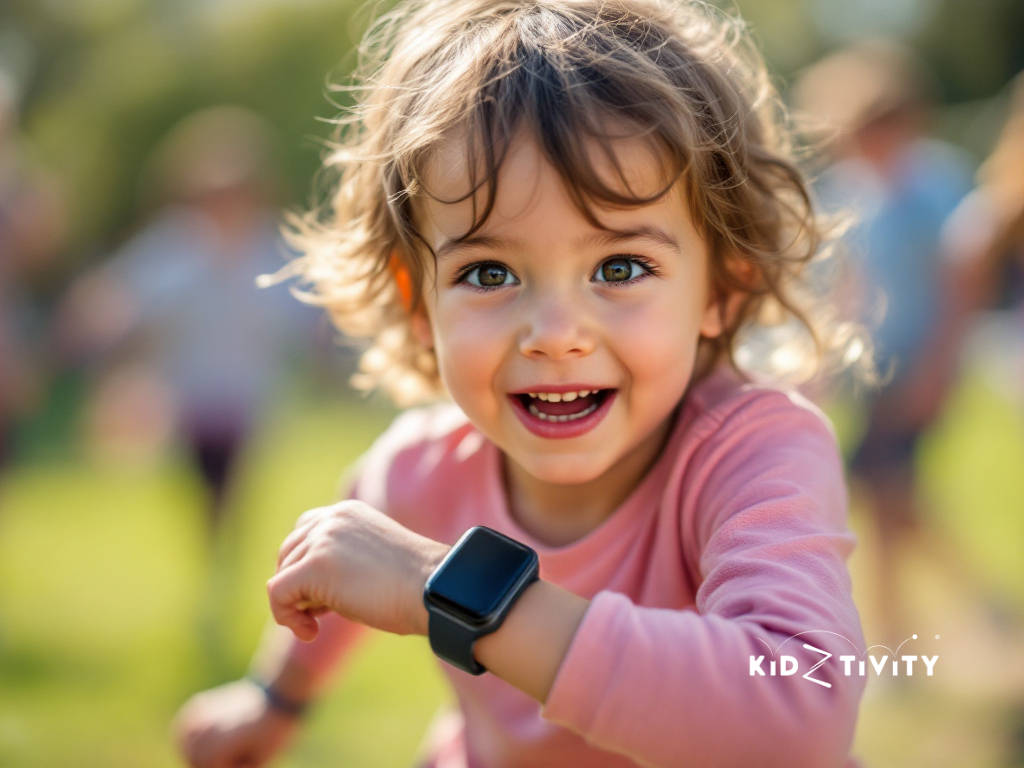
“These devices are great for setting goals and building habits,” Chris says. “But it’s crucial we remind kids that being active is about fun and feeling good—not just meeting a step count.”
To foster a positive relationship with physical activity, Chris suggests that parents keep goals flexible and introduce a variety of movement types. This approach allows kids to explore activities they truly enjoy, free from the constraints of targets or scores.
“Encourage them to try new things—dance, climb, or just play with friends,” Chris advises. “By focusing less on numbers and more on enjoyment, kids can discover activities that make them happy and keep them moving.”

Ultimately, Chris believes that children should associate exercise with fun and personal growth, not pressure. When used thoughtfully, smartwatches can be part of this positive journey.
“Let’s use technology to inspire and motivate kids,” Chris concludes. “But always remind them that the most important thing is how movement makes them feel—not what the screen says.”