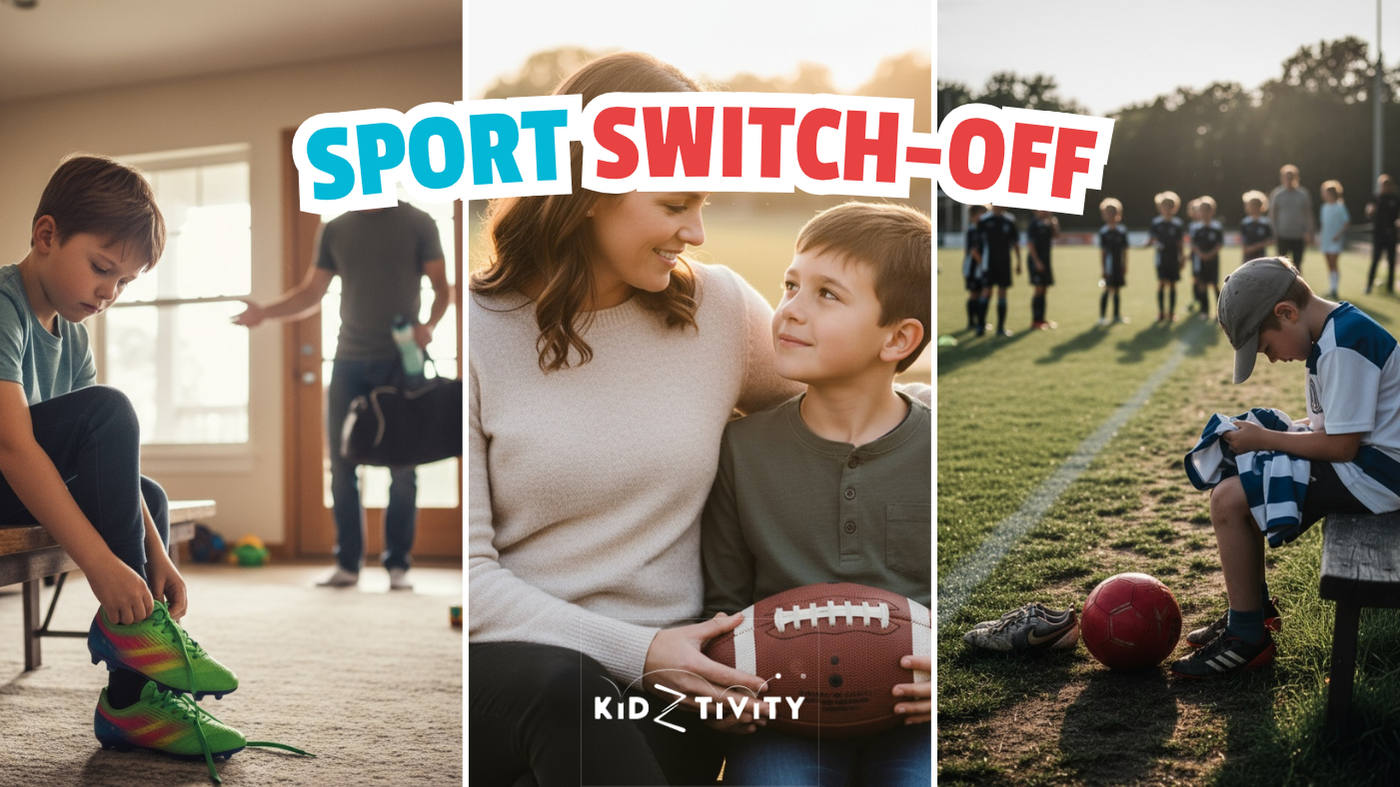
Across the UK, children are moving less than ever, with sports clubs reporting declining attendance and enthusiasm. While technology, busy schedules, and school pressures all play a role, this trend could have serious long-term impacts on children’s physical and mental health.
We’re facing a physical literacy crisis in the UK. Children are missing out on fundamental movement skills, which affects not just fitness, but confidence, coordination and social development too.
As parents, we walk a fine line. You want to encourage your child to stick with a sport, but push too hard and it can feel like pressure rather than support. The key is spotting the early signs that they’re losing interest and responding in a way that keeps them engaged without forcing it.
Here are the signs your child might be about to quit a club – and what you can do to help:
1. They start complaining more than usual
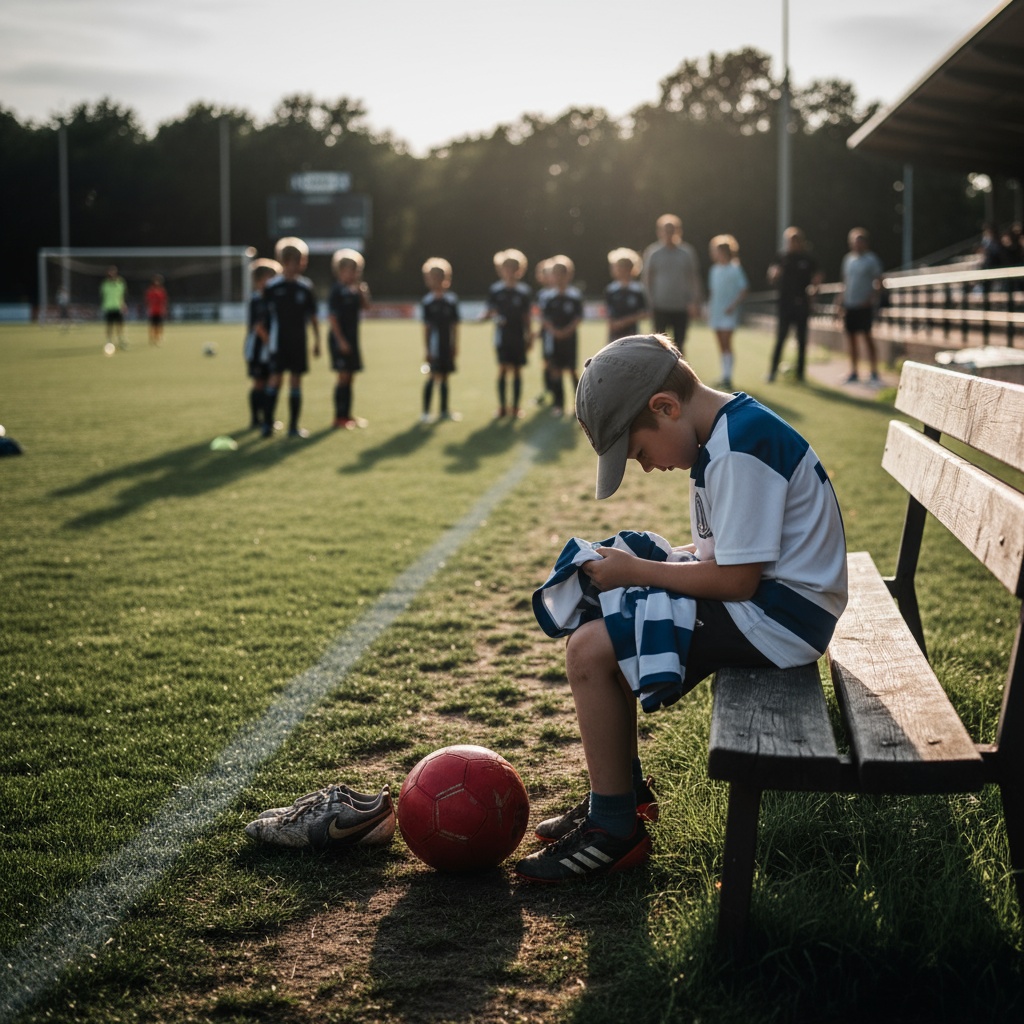
If your child is suddenly moaning about training, games, or club sessions, it’s more than just a bad day. Frequent complaints about the coach, teammates, or even the kit can signal that their enthusiasm is waning. This often comes with subtle changes in mood – irritability, reluctance to get ready, or even anxiety before sessions. Pay attention to patterns rather than isolated incidents; persistent negativity is a red flag that something isn’t working for them.
Top tip: Have an open conversation with your child about how they’re feeling. Ask what they enjoy most and least about the club. Sometimes small adjustments, like a change in position or less intense sessions, can reignite motivation.
2. They start missing sessions or arriving late
A child who once loved showing up on time may begin skipping training, arriving late, or looking for excuses to avoid sessions. This isn’t always laziness – it often indicates a loss of connection with the activity or a feeling of inadequacy. It’s important to explore whether this is linked to friendships, confidence, or simply losing interest.
Top tip: Rather than insisting they attend, try to understand the root cause. Suggest alternative ways to stay active, such as informal practice at home or social games, to maintain engagement without pressure.
3. They seem disengaged during activities
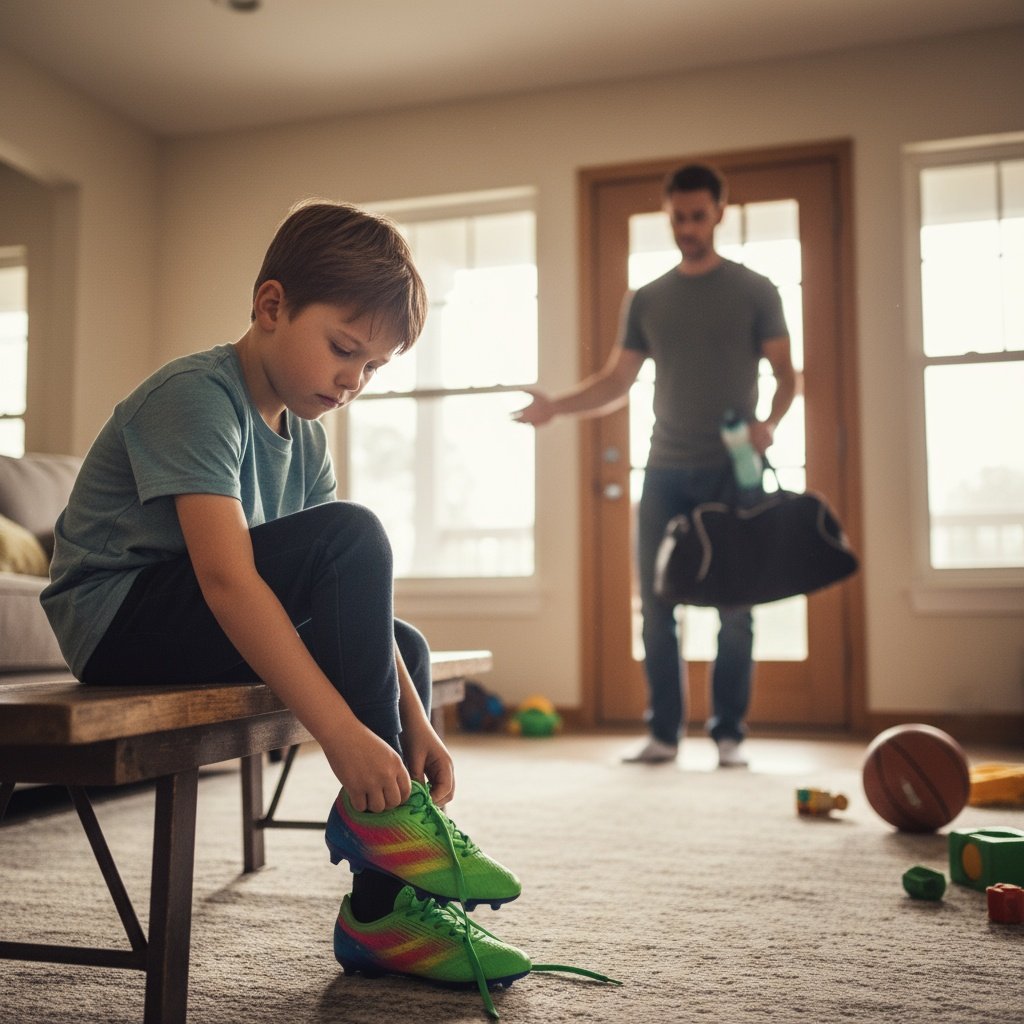
Children may still turn up but appear distracted, unmotivated, or disinterested during sessions. They may stop participating fully, avoid challenges, or no longer celebrate small achievements. Engagement is about more than showing up – the spark in their eyes, laughter with teammates, and enthusiasm to try new things are key indicators.
Top tip: Encourage reflection rather than criticism. Ask your child what they find fun or boring about the sessions, and consider discussing ways for the coach to adapt drills or games to reignite excitement.

4. Their attitude towards competition changes
A previously competitive child may suddenly start withdrawing or showing frustration. They may dread matches, become overly self-critical, or refuse to take part in competitive situations. This can be a sign that pressure or fear of failure is overtaking enjoyment, which is often the first step towards quitting.
Top tip: Shift the focus from results to personal growth. Celebrate effort, skill improvement, and teamwork rather than wins or losses. Encouraging supportive peer relationships can also make the environment feel safer and more enjoyable.
5. They stop talking about the sport
When a child is passionate, the activity is a regular topic of conversation. If they suddenly stop sharing stories about games, friends, or progress, it could indicate disengagement. Silence often hides feelings of boredom, stress, or frustration, which can lead to dropping out if not addressed.
Top tip: Show interest without interrogation. Attend a session as a supportive observer or ask open-ended questions about what they enjoy and dislike. Sometimes just feeling heard can renew a child’s enthusiasm.
Keeping Kids Active: The Bottom Line
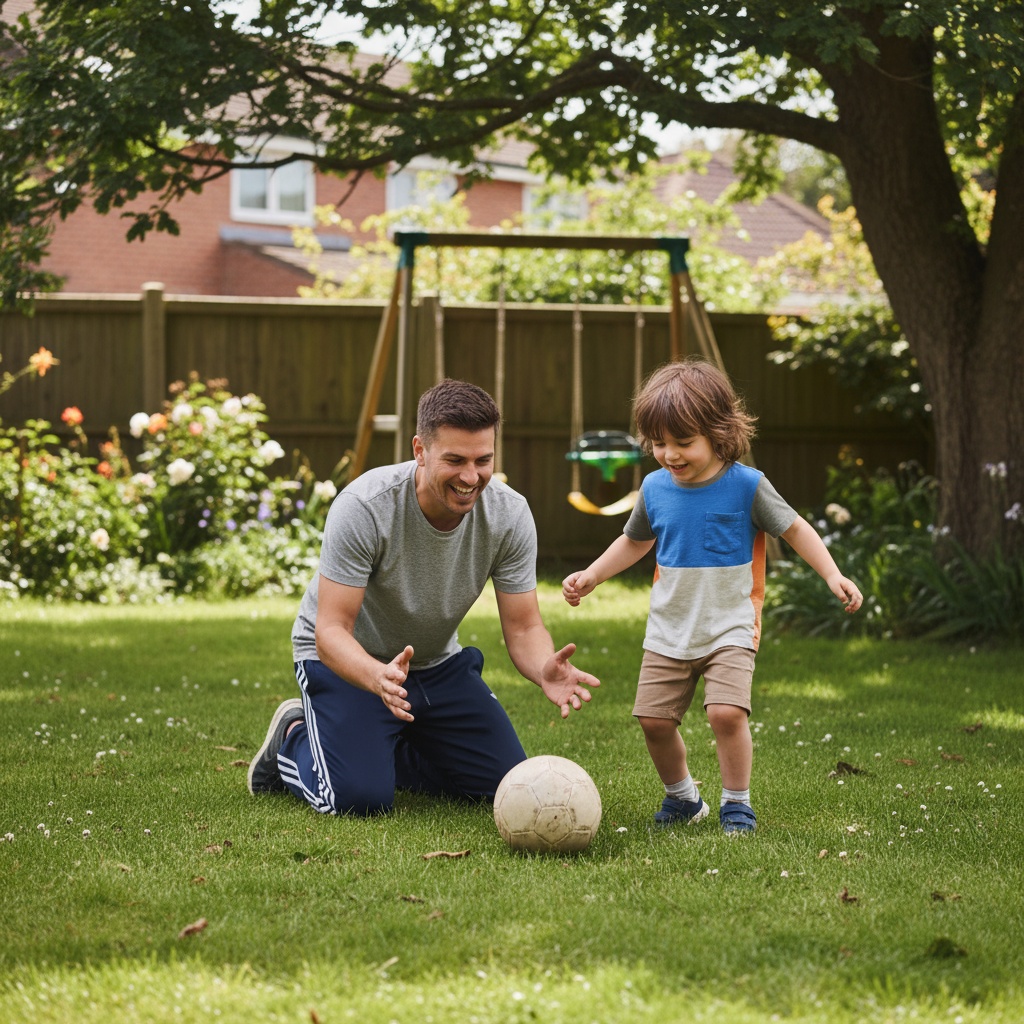
The key to keeping children active isn’t about forcing commitment – it’s about understanding their needs, maintaining open communication, and creating an environment where movement feels fun rather than obligatory. By spotting these early warning signs and responding with empathy, you can help your child rediscover their love of sport and physical activity. Remember, the goal isn’t to create elite athletes – it’s to nurture a lifelong positive relationship with movement that supports their physical health, mental wellbeing, and social development. Sometimes that means switching clubs, trying a different sport, or simply taking the pressure off and letting them play.