Starting secondary school is a huge milestone for children, and a nerve-wracking one for parents. While many kids might be excited by the prospect of new friendships, some struggle, and some struggle in silence—leaving parents wondering what’s really happening behind the classroom door.
By Year 7, children are hitting an age where keeping things from their parents becomes completely normal. They might not share every detail of their day, not because something is wrong, but because they’re learning independence and navigating friendships on their own. It’s natural to want to pry, but gently observing their behaviour often tells you far more than direct questioning ever will.
Here are some key signs to watch for if you’re trying to gauge whether your child is settling in socially at their new school:
1. They talk about friends and social interactions spontaneously
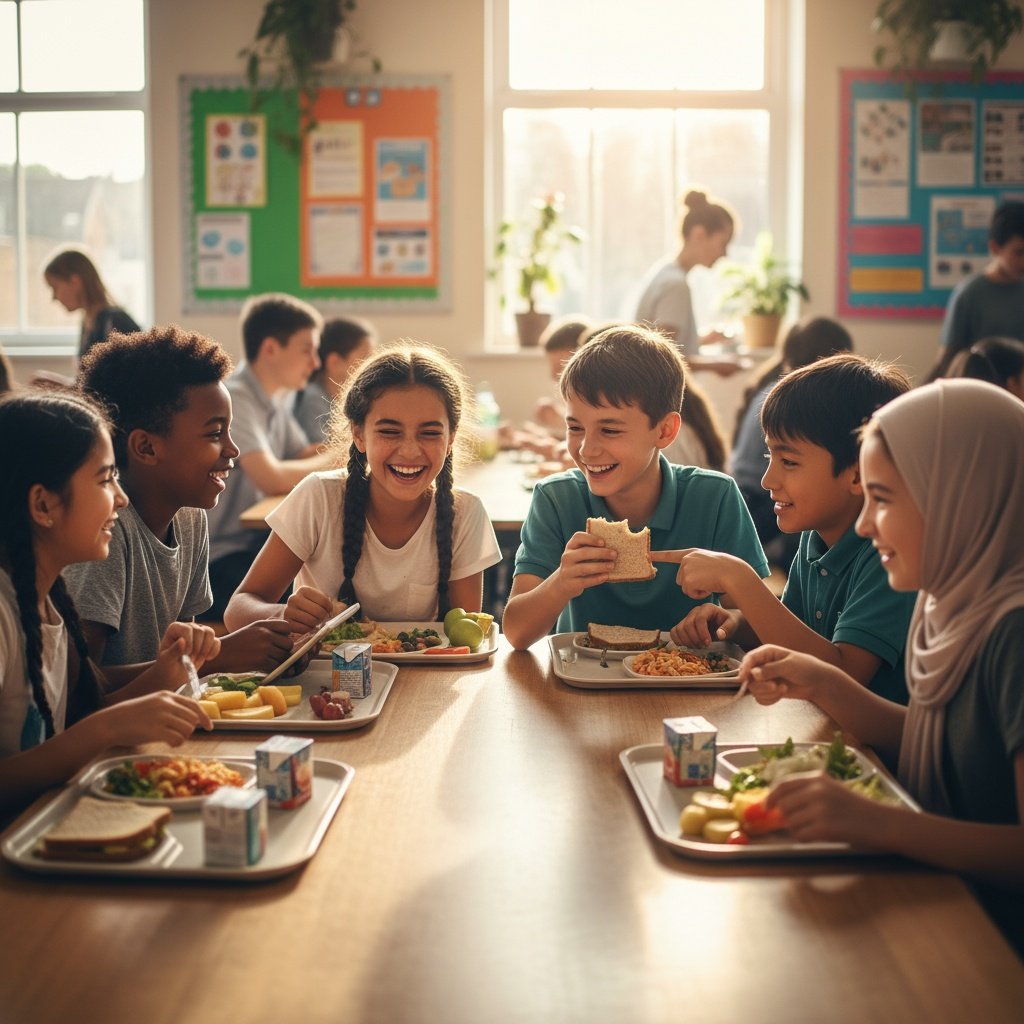
Children who are making friends will often share stories about their day, including minor triumphs or mishaps, without needing prompting. Listen out for mentions of lunch companions, classroom collaborations, or after-school playdates. It doesn’t have to be detailed; even casual name-dropping or excitement about seeing peers in different contexts can indicate positive social engagement.
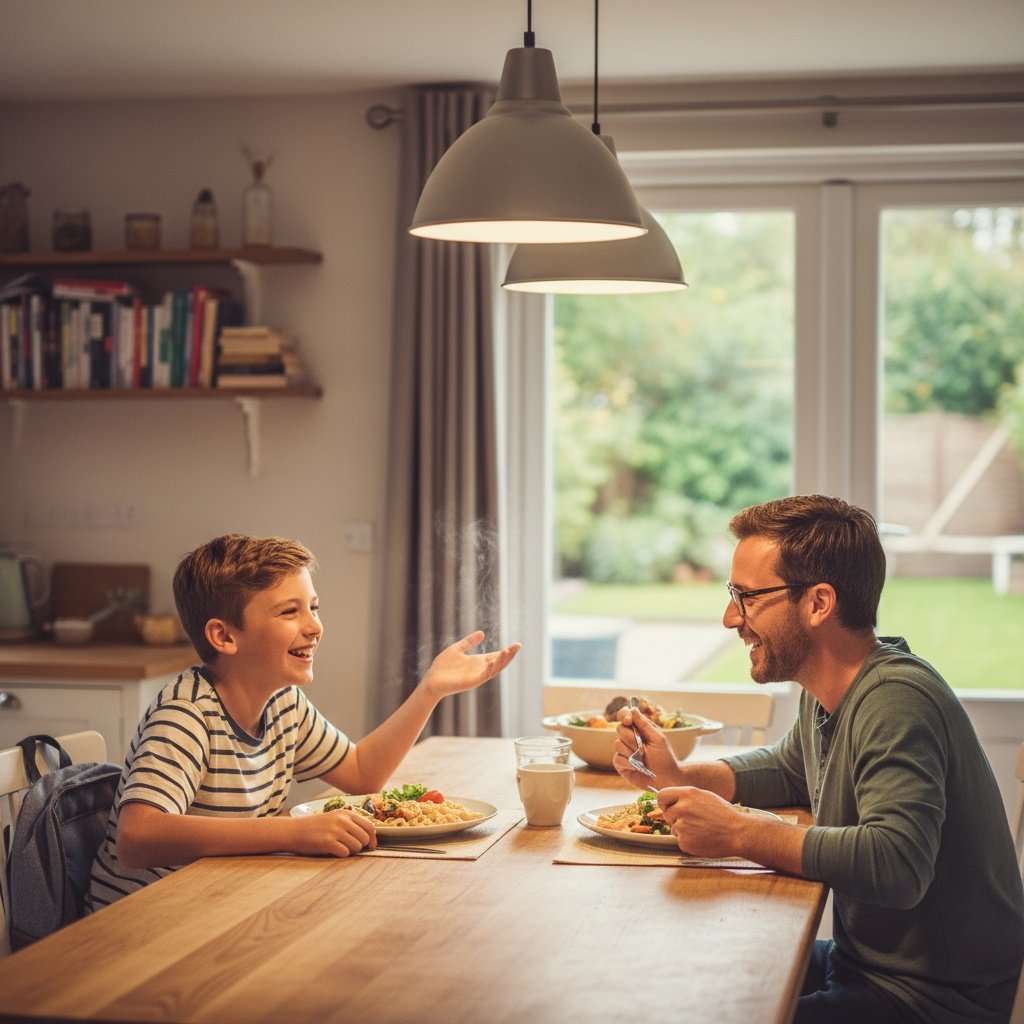
Top tip: Create relaxed, everyday moments for conversation, like during the school run or over dinner, so your child feels comfortable sharing naturally rather than feeling interrogated.
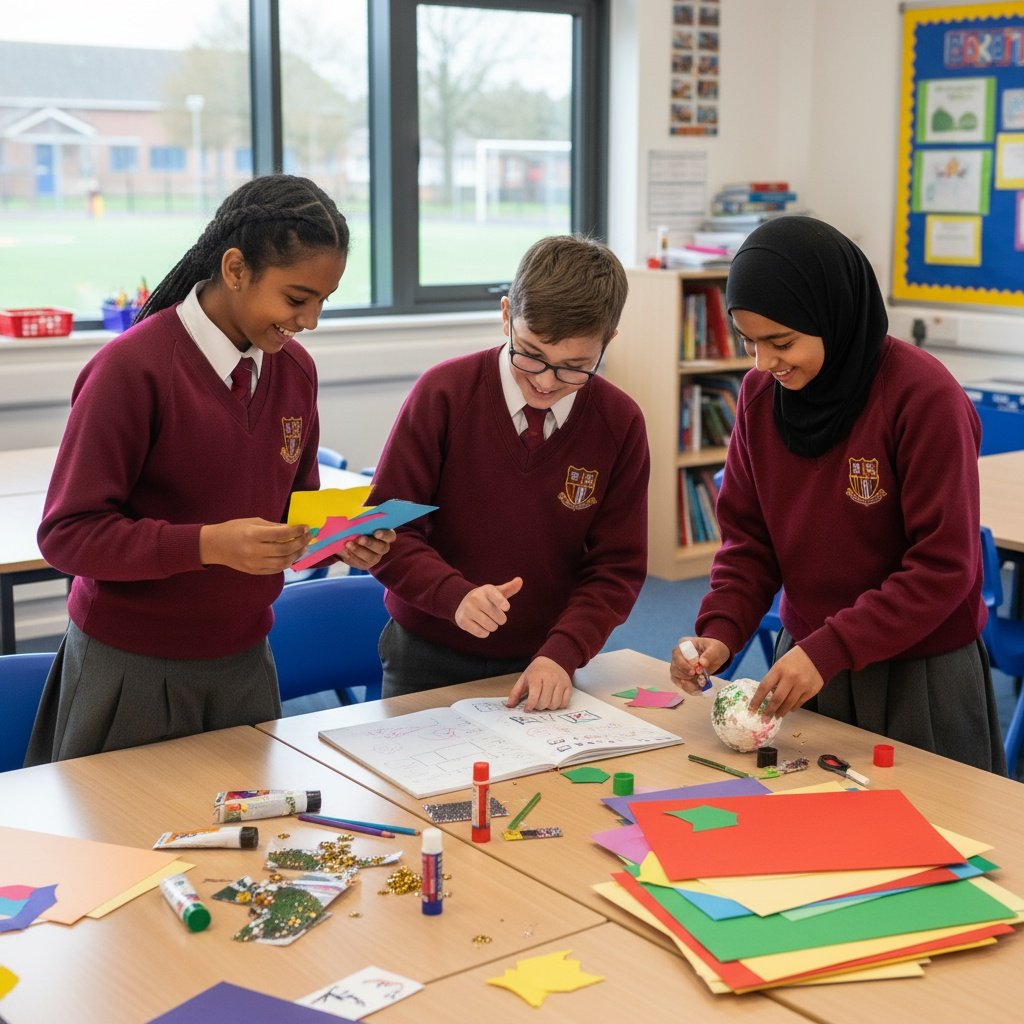
2. They show enthusiasm for school activities and clubs
Interest in extracurriculars or class projects is often a strong indicator that your child is finding their place. Children who have friends tend to feel more confident participating in group activities and are more likely to volunteer or join clubs. Lack of enthusiasm doesn’t always mean trouble, but consistent disinterest can be a warning sign.
Top tip: Encourage your child to try new clubs or activities that match their interests. Attend the first session with them if needed and let them take ownership after that initial reassurance.
3. They display positive mood changes after school
Pay attention to your child’s emotional tone after the school day. A child who comes home happy, chatty, or simply relaxed is usually experiencing positive social interactions. Conversely, irritability, withdrawal, or a sudden reluctance to talk about their day can indicate anxiety or social discomfort.
Top tip: Keep a simple “mood log” for a week or two, noting highs and lows. This helps spot patterns without making your child feel pressured to explain themselves every day.
4. They organise or mention playdates or meet-ups
Children who have started forming friendships will often suggest or get invited to social gatherings outside school. Even small interactions, like arranging to meet a classmate at the park or messaging a peer online about a game, are strong signs of budding relationships.
Top tip: Offer to host a low-pressure, short playdate or activity at home. Keep it casual and fun to encourage repeated social interaction without overwhelming them.

5. They adapt and show problem-solving in peer interactions
Friendships come with small conflicts and compromises. Children who are learning to navigate these successfully demonstrate both social awareness and resilience. Notice whether your child is negotiating turns, expressing opinions respectfully, or finding ways to compromise with classmates.
Top tip: Discuss scenarios hypothetically, such as “What would you do if…” to help them reflect on social challenges without making it personal. This reinforces social skills while keeping the conversation light.
What to do if you’re worried
If you’re concerned, the first step is observation rather than intervention. Ask open-ended questions and let your child guide the conversation. If they seem consistently unhappy or isolated, reach out to teachers or school counsellors—they’re often aware of peer dynamics you might not see. And above all, reassure your child that struggling socially at first is completely normal. With support, patience, and opportunities to meet others in low-pressure environments, most children find their circle and start to flourish.