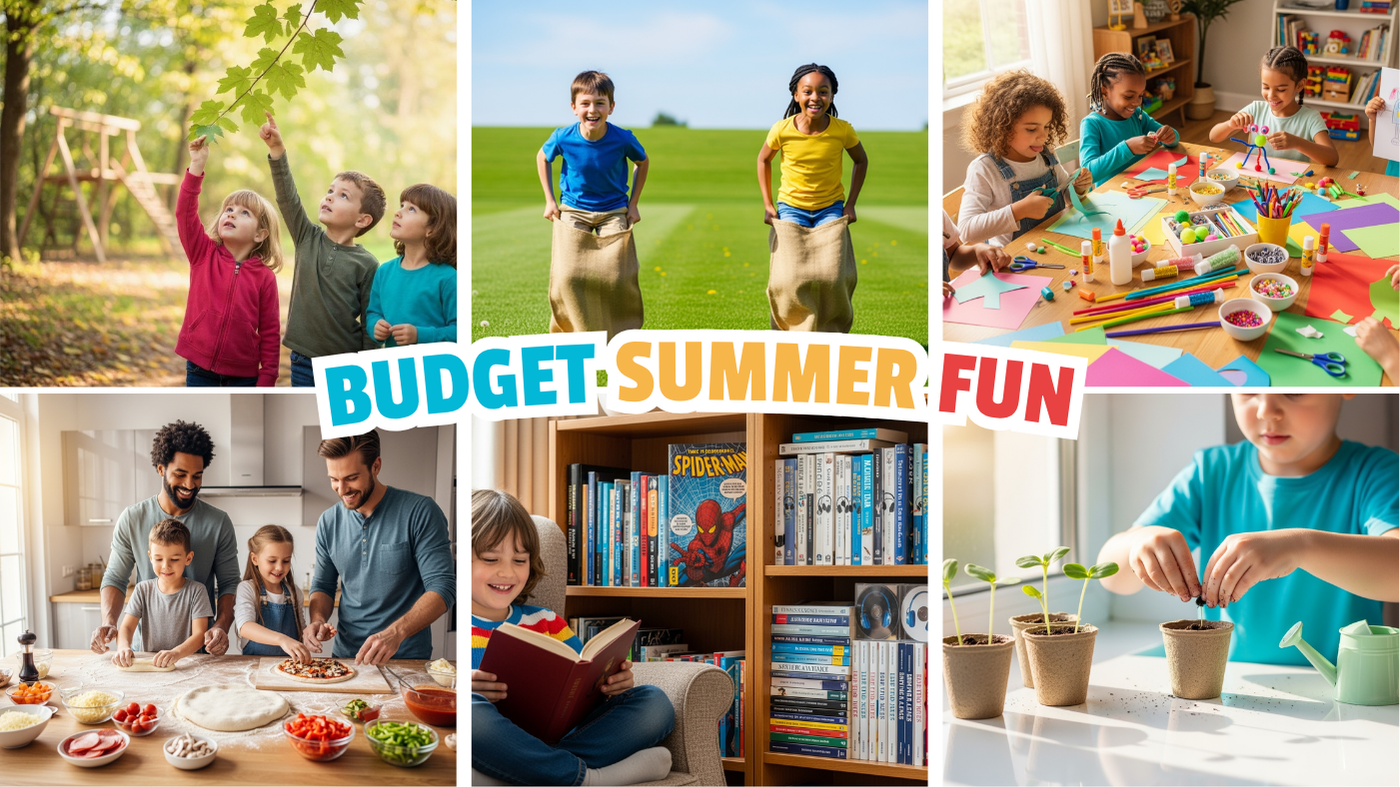
The six weeks of summer holidays can feel like a marathon for parents and carers. With kids spending more time indoors than previous generations and not every family having the budget for expensive holiday clubs or days out, finding engaging activities becomes a real challenge. The good news? You don’t need costly outings to create memorable summer experiences.
Here are six accessible activities that will keep your children engaged, active, and learning throughout the holidays.
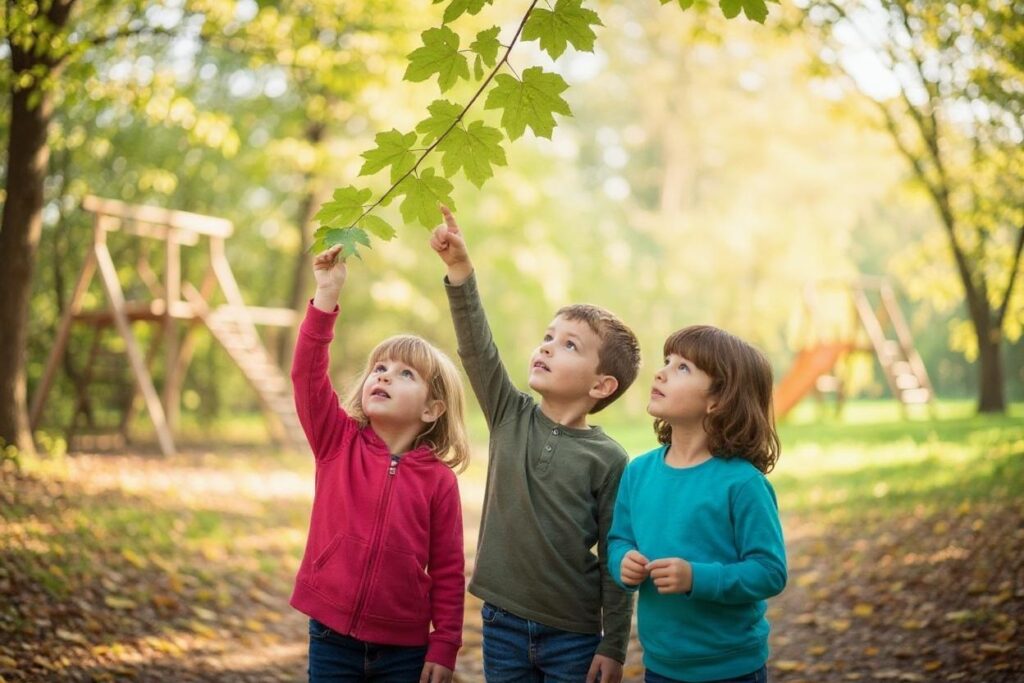
1. Explore Local Parks and Nature Trails
Getting outside remains one of the simplest ways to refresh both mind and body. Local parks offer free play areas, walking paths, and often host organised events during the holidays. Nature trails naturally encourage curiosity, exercise, and discovery – plus it’s easy to pack a picnic and extend the adventure.
Activity Enhancement: Transform your nature walk into a scavenger hunt by creating a simple checklist of items to spot – different leaves, birds, insects, or interesting rocks. This keeps children engaged and develops their observation skills.

2. Organise a Sports Day
You don’t need fancy equipment for friendly competition. Classic games work brilliantly:
- Sack races
- Three-legged races
- Simple ball games
- Relay races
This approach gets kids moving, socialising, and enjoying healthy physical activity in a safe environment. It’s also a fantastic way for local families to connect.
Community Tip: Invite other parents to contribute refreshments or small prizes. This builds community spirit while sharing the organisational load.

3. Create a Craft Corner at Home
Set up a dedicated creative space using basic supplies you likely already have:
- Paper and cardboard
- Glue and scissors
- Old magazines
- Recyclable materials
- Colouring materials
Crafting supports fine motor skill development and imagination. There’s no shortage of free tutorials online for inspiration when creativity needs a boost.
Purpose-Driven Crafting: Encourage children to create personalised gifts or room decorations. Adding purpose to their creations increases motivation and pride in their work.

4. Cook Together as a Family
Cooking offers brilliant hands-on learning that teaches practical life skills while encouraging healthy eating habits. Choose simple, child-friendly recipes:
- Homemade pizzas
- Fruit skewers
- No-bake snacks
- Simple sandwiches with creative shapes
The reward of eating what they’ve helped create adds extra satisfaction to the activity.
Family Engagement: Let children plan a weekly “family feast” where they choose the menu and help with preparation. This develops decision-making skills and creates ownership of the experience.

5. Set Up a Home Reading Challenge
Summer reading challenges help maintain literacy skills during the break. While many libraries run free programmes with incentives, you can easily create your own version at home. Mix different formats to keep it engaging:
- Traditional books
- Comic books
- Audiobooks
- Story-telling sessions
Motivation Strategy: Create a colourful reading chart and celebrate milestones with small treats or special outings. Visual progress tracking maintains enthusiasm throughout the challenge.
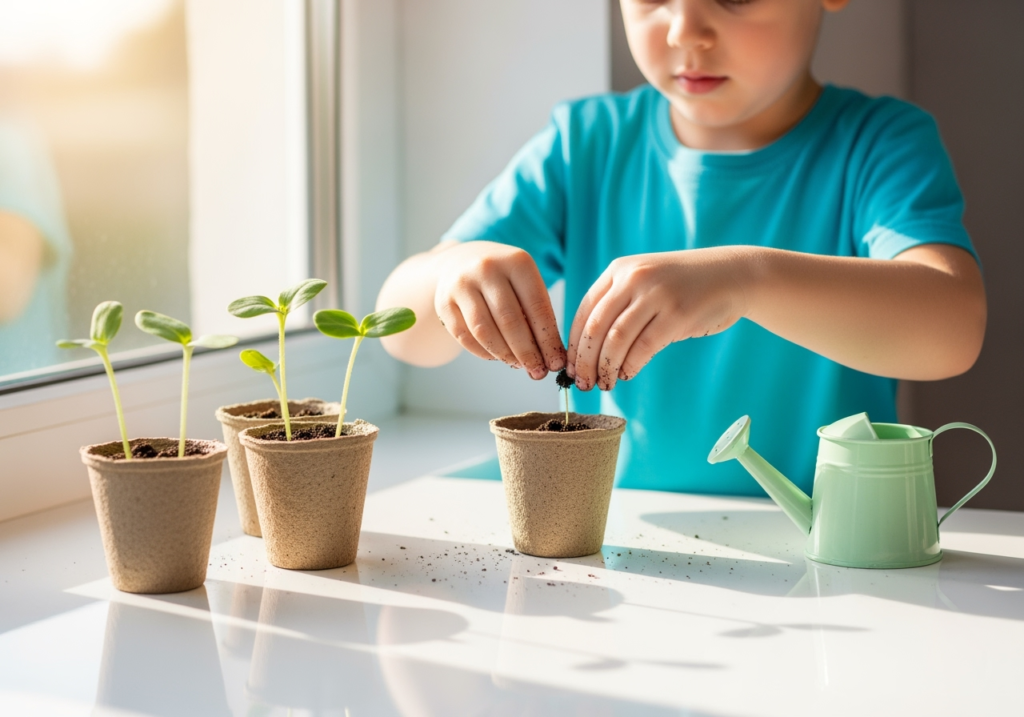
6. Start a Garden Project
Whether you have a large garden or just a windowsill, growing plants provides rewarding, educational summer activity. Children learn responsibility and basic biology while watching their efforts flourish. Seed packets are affordable and widely available.
Quick Success: Choose fast-growing options like sunflowers, cress, or herbs for quicker, more satisfying results. Involve children in daily watering and care to build routine and ownership.
Making Summer Memorable
These activities prove that meaningful summer experiences don’t require significant financial investment. The key lies in engagement, creativity, and making the most of resources already available to you.
Each suggestion can be adapted for different ages and abilities, ensuring every child can participate and benefit. Remember, the goal isn’t perfection – it’s about creating positive memories while keeping children active, learning, and engaged.