The moment that could change everything
Picture this: your child crosses the finish line in fourth place, cheeks flushed, slightly out of breath, but with a huge grin on their face. What’s the first thing you say?
If you’re like most parents, it might be “Did you win?” or “What place did you come?”
But that single question could be the difference between raising a child who loves being active and one who avoids sports altogether.
Countless children fall out of love with movement simply because they feel humiliated for not winning or were pushed into competitive sport before they were ready.
Adults forget how intense that moment feels when you’re young and standing on the start line, to be seen trying and not succeeding feels more embarrassing than it ever will later in life.
The hidden damage of focusing on results
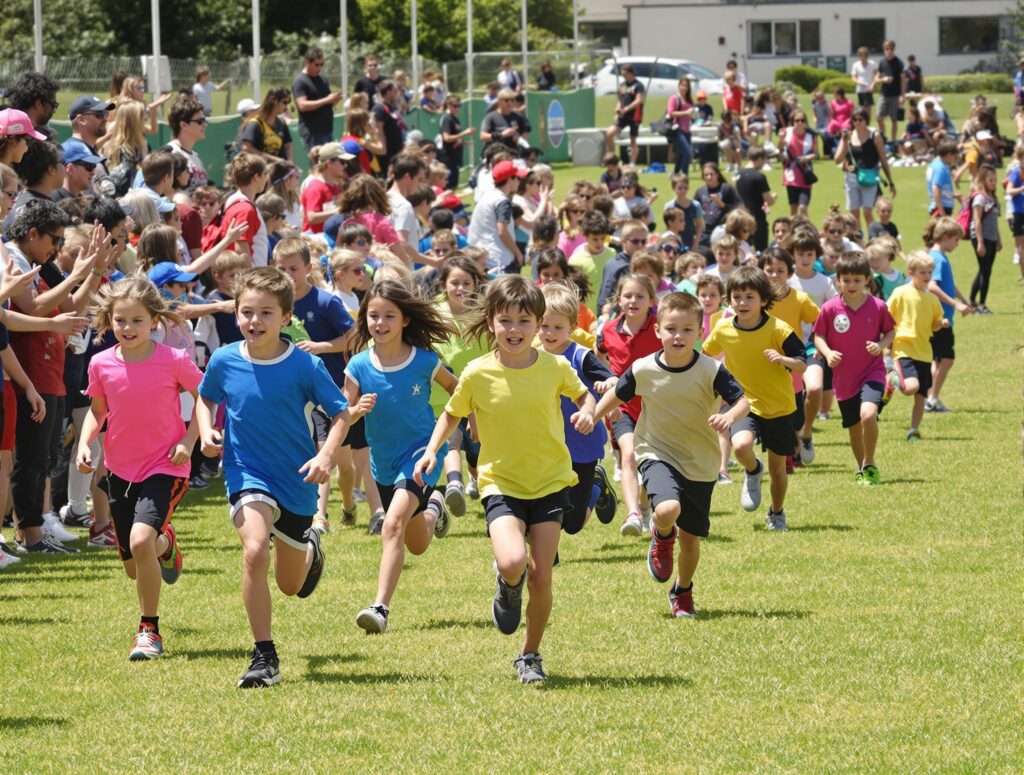
When we focus only on where our children placed in the race or whether they won their heat, we’re accidentally teaching them that physical activity is a test they need to pass. That feeling sticks – and it can put them off being active for life.
So what should we do instead? Here’s our six game-changing tips for building long-term confidence in our children:
1. Swap “Did you win?” for “Did you enjoy it?”
It’s natural to want to know how they did, but asking about winning teaches children that results matter more than effort, courage, or simply taking part.
Instead, try asking:
- “Did you enjoy it?”
- “What did you try that was new today?”
- “What was your favourite part?”
These questions show you care more about their experience than their ranking.
2. Celebrate nerves as well as bravery
Many children feel anxious before group activities, especially younger ones who can’t always express these feelings. A child who hesitates or pulls back is still showing up – and that deserves praise.
When we only praise “being brave” or “getting on with it,” children learn to hide their nerves rather than process them.
Try saying: “It’s totally normal to feel that way. I’m proud of you for giving it a go anyway.”
3. Stay calm when things go wrong
Every stumble, trip, or lost race is a chance for growth. But if we react with disappointment or rush to fix things, we’re teaching our children that mistakes are problems to be avoided.
Keep your expression relaxed and voice steady. A simple “That happens sometimes – what do you think you’d do next time?” helps them feel safe and supported.
4. Check your sideline energy
Cheering is wonderful – unless it becomes overwhelming. Shouting instructions or getting too animated can make children feel self-conscious and shift their focus from enjoyment to performance.
Take your cues from your child’s body language. Sometimes a quiet thumbs up and a smile mean more than any words.
5. Model the right attitude yourself
Children mirror what they see. If they hear us mocking our own lack of skill, over-celebrating wins, or treating the parents’ race like the Olympics, they absorb those values.
If you’re doing the parents’ race, make your goal enjoyment, not speed. Say something like “I’m just here to have a laugh” so your child hears a healthy approach to competition.
6. Keep post-race conversations pressure-free
What you say walking back to the car matters just as much as what you said during the race. Drilling them with questions or suggesting improvements keeps the adrenaline going long after the activity ends.
Start with a snack, a cuddle, or chat about something completely different. If they want to talk about the race, let them lead and follow their tone.
The bigger picture
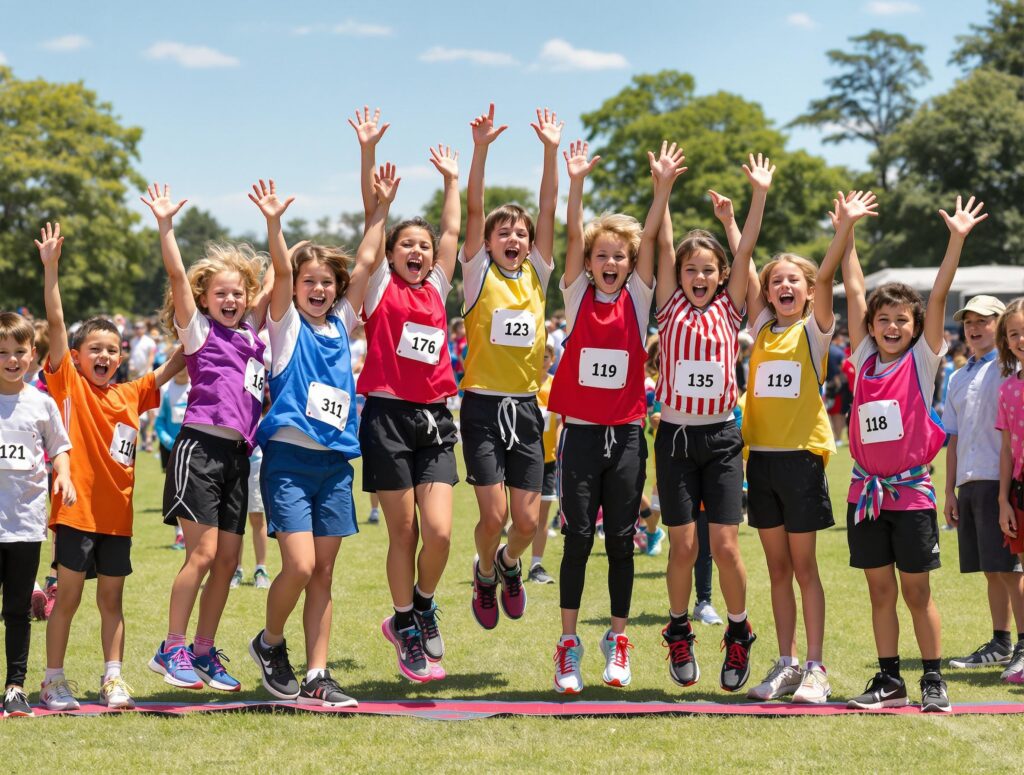
Sports day might seem like just a bit of fun, but it’s actually a crucial moment in shaping your child’s relationship with physical activity. Get it right, and you’re setting them up for a lifetime of enjoying movement and sport. Get it wrong, and you might accidentally close that door forever.
Remember: the goal isn’t to raise the fastest runner or the most competitive child. It’s to raise a child who feels confident trying new things, who can handle disappointment with resilience, and who sees being active as something joyful rather than stressful.
This sports day, focus on their effort, celebrate their participation, and show them that win or lose, you’re proud of them for having a go.