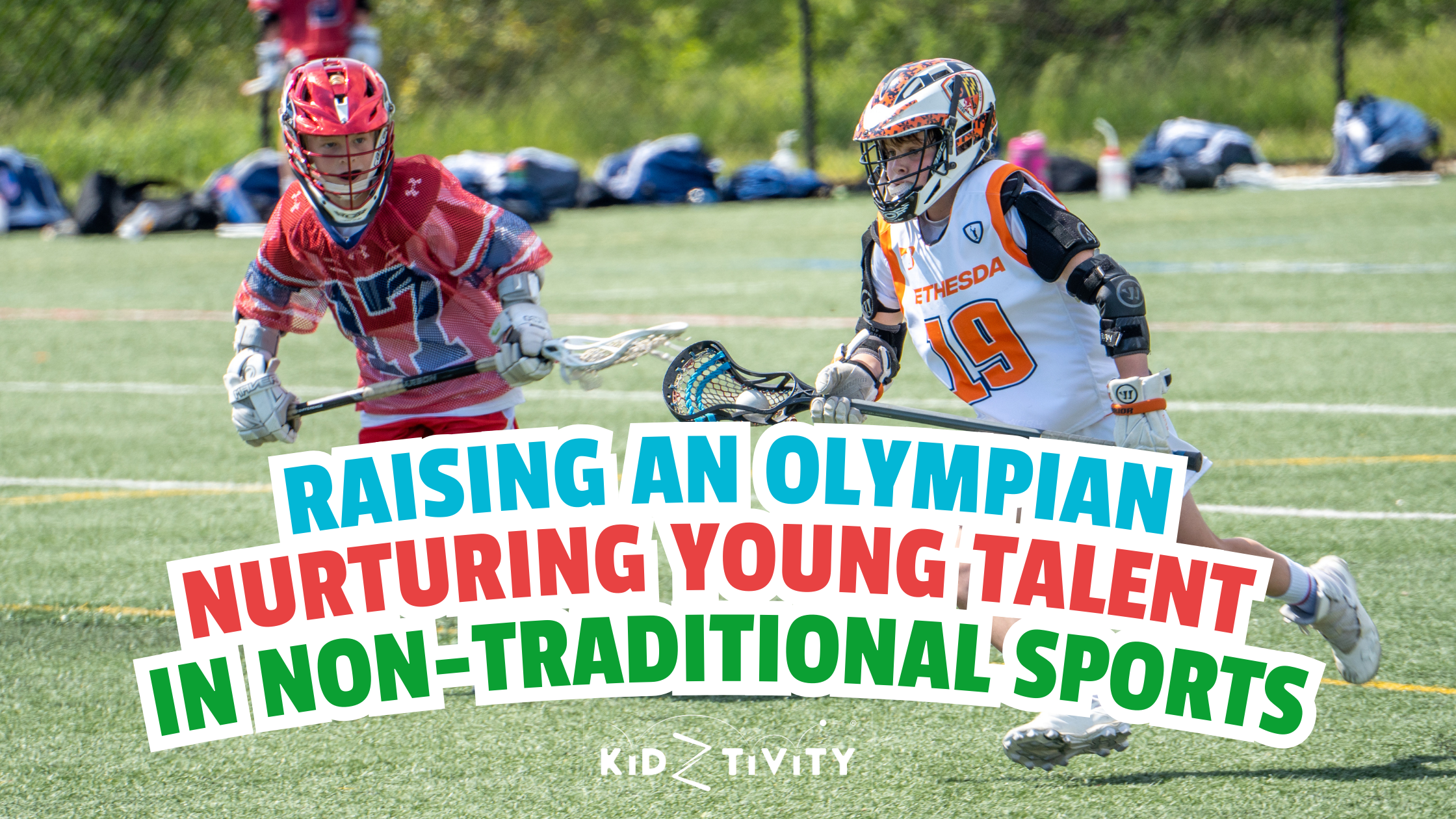
As a parent, you might dream of your child standing on the Olympic podium, basking in the glory of their hard-earned success. But how do you nurture that potential from an early age? At Kidztivity, we believe that fostering a love for sport and physical activity is about more than just mainstream options like football or gymnastics. It’s about exploring a wide range of activities that might spark a unique passion in your child.
Exploring Non-Traditional Sports
Parents can explore a variety of non-traditional sports to ignite their child’s passion. Some exciting options include rock climbing, fencing, archery, ultimate frisbee, parkour, and martial arts like judo or taekwondo. These sports not only offer unique physical challenges but also develop skills such as balance, coordination, and strategic thinking.
Identifying Natural Talents
Observing your child’s play habits and interests is key. Notice what activities they gravitate towards during free play. Are they climbing trees, balancing on curbs, or showing interest in rhythmic movements? Additionally, enrolling them in diverse sports programs and seeing where they excel or show enthusiasm can provide valuable insights into their natural talents.
Benefits of Non-Traditional Sports
Non-traditional sports often provide a fresh and exciting alternative to mainstream options. They can help children develop unique skill sets, foster creativity, and build resilience. These sports might also offer less competitive environments, allowing children to focus on personal growth and enjoyment rather than just winning.
Encouraging Pursuit of Less Common Sports
Support starts with showing genuine interest in the sport. Attend events, learn about the sport together, and celebrate small achievements. Providing the necessary equipment and finding local clubs or coaches will also help. Encouragement and positive reinforcement are crucial, as is creating an environment where the child feels safe to explore and make mistakes.
Balancing Fun and Competition
Maintaining a balance involves emphasising enjoyment and personal progress over winning. Encourage your child to set personal goals and celebrate their efforts and improvements. Ensure they have time for unstructured play and other interests outside of their sport. Open communication about their feelings towards the sport can help you gauge if the balance is right.
Finding Resources and Coaching
Start by researching local sports clubs, community centres, and schools that offer programs in non-traditional sports. Online platforms and social media groups can also be valuable resources for finding coaches and training facilities. Networking with other parents and attending local sports events can provide further leads.
Overcoming Resistance to Physical Fitness
It’s important to understand the root of their resistance. Engage in open conversations to identify any underlying issues. Sometimes, trying a completely new and fun activity can reignite their interest. Make physical activity a family affair by participating together in fun, low-pressure settings. Highlighting the social and health benefits of staying active can also be motivating.
Supporting Physical and Mental Well-Being
Ensure they have a balanced lifestyle that includes rest, nutrition, and time for relaxation. Regular check-ins about their feelings and stress levels are important. Encourage them to express any concerns and be attentive to signs of burnout. Professional support, such as sports psychologists or nutritionists, can also be beneficial.
Fostering a Positive Sports Environment at Home
Create an atmosphere where effort and perseverance are valued over winning. Celebrate all achievements, big or small, and encourage a growth mindset. Model positive behaviour by showing respect for all sports and athletes. Providing emotional support and being an enthusiastic cheerleader can make a big difference.
Financial and Time Commitments
Non-traditional sports can vary in cost and time commitment. Some may require specialised equipment or travel for competitions. It’s important to budget for these expenses and consider the long-term commitment. Balancing the sport with academic and family time is crucial to avoid overscheduling and stress.
Encouraging a Healthy Attitude Towards Winning and Losing
Teach children that both winning and losing are part of the learning process. Emphasise the importance of effort, teamwork, and personal growth. Encourage them to view losses as opportunities to improve and learn. Celebrating good sportsmanship and resilience will help them develop a healthy perspective on competition.
Conclusion
Raising an Olympian is about more than just rigorous training and competition. It’s about nurturing a love for physical activity, exploring diverse sports, and fostering a balanced, healthy approach to sport and life. At Kidztivity, we’re here to support parents and coaches in unlocking the potential of young athletes, guiding them on their journey to greatness.
Ready to explore the world of non-traditional sports with your child? Let’s embark on this exciting journey together.