Culture permeates every aspect of our lives, shaping our thoughts, actions, and beliefs. It shapes our identity by shaping our values, beliefs, behaviours, and perspectives. It influences how we perceive ourselves and interact with others.
From the way we dress, to the languages we speak, our cultural background plays a significant role in defining who we are and how we navigate the world on a daily basis. However, the profound impact of cultural diversity often goes unnoticed or unexplored.
The Significance of Culture in Understanding Identity
In our interconnected world, where diversity thrives, it is crucial to prepare children for a global society. Children who understand and appreciate cultural diversity are better equipped to build meaningful relationships, navigate different social norms, and contribute positively to our multicultural world.
Culture is not explicitly taught; rather, it is absorbed through observation, socialisation, and interactions with family. Culture also influences gender roles, family structures, languages, dress, cuisine, social norms, attitudes towards disabilities, and even expectations for children’s behaviour. Understanding our own culture provides a foundation for comprehending our identity, fostering a sense of belonging, and cultivating self-esteem.
As an educator or children’s activity provider, the benefits of promoting cultural diversity are also clear. From a business perspective, promoting different activities and sessions to differing diversities and cultures can help attract customers, whilst also proving your commitment to being an inclusive business can help with your brand awareness, too.
The Role of Parents, Educators and Guardians
We all have the responsibility to create inclusive environments that expose children to diverse cultures and experiences. As influential figures in children’s lives we have the power to shape their perspectives and nurture their understanding of the world around them.
Parents, educators, and guardians play a vital role in fostering cultural understanding in children. By teaching children about different cultures, encouraging dialogue, and celebrating diversity, we can instil values of respect, empathy, and curiosity.
Equipping children with the tools to appreciate diverse cultures, and fostering an environment of inclusion, curiosity and understanding, we can empower children to celebrate the richness of our global tapestry and build bridges of empathy, acceptance and respect.

The Importance of Cultural Exploration for Children
Cultural exploration plays a vital role in children’s development, fostering empathy, tolerance, and respect for diversity. By engaging children in activities that expose them to different cultural practices, traditions, and perspectives, we broaden their horizons and challenge stereotypes. Through these experiences, children learn to appreciate the beauty of diversity and recognise the value of different cultural contributions to our global society.
Music and Dance
Music and dance are universal languages that can bring people together, regardless of their culture or background. Choose traditional music and dance from different cultures and teach them to the children. This activity not only teaches children about different types of music and dance but also provides an opportunity to discuss the cultural significance of it too. It can also be a great way to encourage physical activity and improve coordination.
Cooking and Baking
Cooking and baking are fantastic ways to introduce children to different cultures. It is a sensory activity that involves taste, smell, and touch, which can help children to remember what they have learned. You could choose a particular country or culture and prepare a traditional dish with the children. This activity not only teaches children about different foods and cooking techniques but also provides an opportunity to discuss the cultural significance of the dish. It can also be a great way to encourage fussy eaters to try new foods, also showing they can cook meals independently for later in life!
Storytelling
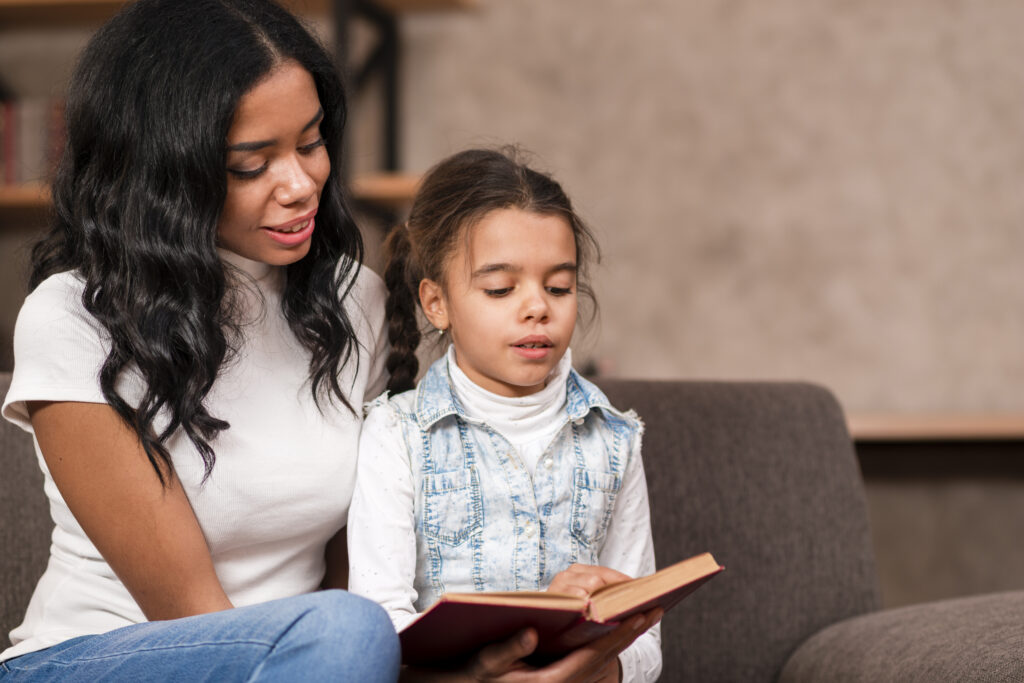
Storytelling is an age-old tradition in many cultures, and it can be a great way to teach children about different customs and beliefs. Choose traditional tales from different cultures and read them to the children. You could also have the children act out the stories or create their own versions. This activity not only teaches children about different cultures but also improves their language skills, encourages creativity, and promotes empathy.
Arts and Crafts
Creative arts and crafts provide a hands-on way to engage children, creating an experience that promotes understanding and appreciation of different cultures. Exploring cultures through colour, patterns, symbols and partaking in traditional crafts inspired by different cultural practices, can really inspire children to learn about their significance and historical context. From African masks, to Chinese lanterns, to Native American inspired dreamcatchers – the creative possibilities are endless.
Cultural Activities and Social Development
Engaging children in activities that explore cultural diversity nurtures their social development. By interacting with peers from diverse cultural backgrounds, children learn to navigate and adapt to different social norms, communication styles, and perspectives. This fosters essential social skills such as:
- Effective communication
- Cooperation
- Conflict resolution
- Healthy relationships
For example, when a child witnesses another child being bullied at school, it can be distressing for those who witness it. This can lead to feelings of unease and hostility, causing them to distance themselves from the victim as a defensive mechanism. These prejudices are often based on falsehoods and reinforce negative stereotypes.
However, by instilling the teachings of cultural diversity in our children, we can sow the seeds of emotional stability and empathy. Instead of resorting to bullying based on our differences, cultural diversity teaches them to embrace and celebrate the uniqueness of all individuals.
Emotional Growth Through Cultural Exploration
Cultural exploration also plays a significant role in children’s emotional growth. It cultivates open-mindedness and curiosity, encouraging children to ask questions, seek knowledge, and engage in meaningful conversations about different cultures. By exploring cultural diversity, children learn to challenge assumptions and develop a sense of wonder and appreciation for the world around them.
Physical Engagement in Cultural Diversity
Activities that involve physical movement, dance, and sports specific to certain cultures provide children with a unique way to engage with cultural diversity. These activities not only promote physical fitness but also expose children to different ways of expressing themselves physically. Through dance, martial arts, traditional games, and other physical activities, children can experience the beauty and diversity of movement across cultures.
Engaging Children in Cultural Activities
To promote cultural understanding, we can incorporate various elements into children’s activities. Storytelling, music, art, food, and traditional games from different cultures can all contribute to a rich and immersive cultural learning experience.
Reading diverse books, listening to multicultural music, trying out traditional crafts, and participating in cultural festivals and events are all valuable ways to engage children in exploring cultural diversity.
“Despite 33.5% of the school population in the UK originating from ethnic minority backgrounds, only 7% of all children’s books published in the UK between 2017-2019 contained characters from such cultures, and only 5% contained Black, Asian or Minority Ethnic main characters.”Quote from The University of Manchester
It is crucial to acknowledge that conversations about diversity should be continuous, adapting the level of complexity and detail to match the cognitive and emotional development of children. By tailoring our discussions and activities to their age and maturity, we can ensure that children’s understanding of cultural diversity continues to evolve and deepen as they grow.
How Kidztivity Incorporate Cultural Diversity in Children’s Activities
Here at Kidztivity, we understand and champion the importance of cultural diversity in shaping young minds. We make a conscious effort to incorporate cultural diversity into our programmes, training and workshops, ensuring that children and those working with young people have the opportunity to explore and appreciate different cultures.
- We curate a wide-range of activities that reflect diverse cultural backgrounds. From various sports, arts and crafts, to cooking, dance and language, our activities showcase various cultures from around the world.
- We encourage our partners to embrace, promote and highlight special events centred around cultural themes and celebrations. For example, hosting a Diwali celebration where children can learn about and participate in traditional Indian customs, or a Chinese New Year workshop where young people can explore Chinese culture through crafts and games. These events provide hands-on experiences that immerse children in different cultural traditions.
- Our team at Kidztivity collaborate with cultural experts and educators from different backgrounds. These experts bring their knowledge and experiences to create enriching activities that authentically represent their cultures. Imagine an African dance workshop led by a professional dancer, children benefit from the expertise and passion of these individuals, fostering a genuine appreciation for cultural diversity.
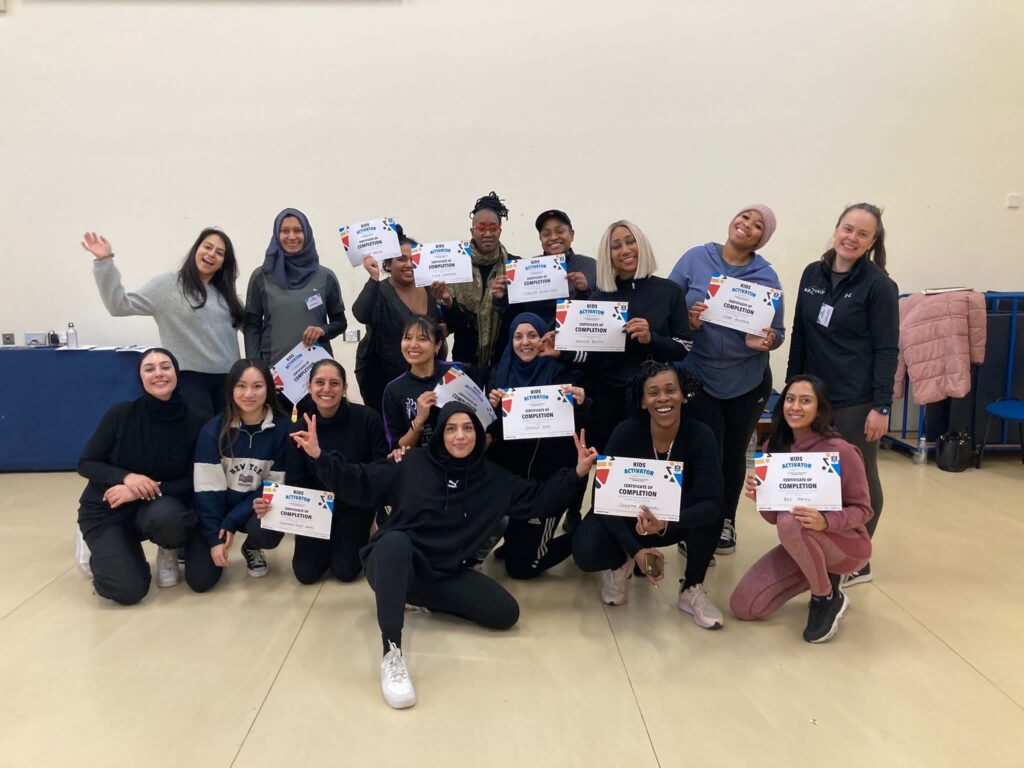
- And finally, we strive to prioritise inclusion and representation in our programmes and activities. This means showcasing a diverse range of role models, instructors, and characters that children can relate to, regardless of their cultural backgrounds. This commitment to representation ensures that all children feel seen, valued, and encouraged to embrace their own cultural heritage while respecting and appreciating others.
Read our Sporting Equals ‘Future Female Leaders’ case study, where we created a custom Kids Activator course for a group of diverse females looking to break into the industry.
Diversity is a strength in our children’s activity industry and in the wider-world. It’s important we recognise the effect it can have on who we are as professionals and human beings, and crucially our future generations.